Discover articles and resources designed to inspire, educate, and guide businesses in embracing digital transformation.
AI
Anthropic launched the best AI model on the planet. Three days later, the US government switched it off worldwide. Here's the full story and why it matters.
Technology Development IIT
21 Juni 2026
6 min
Industry Insights
Linux, Git, Kubernetes, Terraform. The tools that power the modern internet weren't built by any single corporation. They were built by developers around the world who wanted to solve a problem and share the solution. But somewhere along the way, Big Tech figured out that the best way to benefit from open source isn't just to use it. It's to own the companies behind it. This piece looks at the quiet acquisition wave reshaping who actually controls the infrastructure the whole industry runs on.
Athilla Z., Jason S.
20 Maret 2026
8 min
Technology & Innovation
In April 2005, the Linux kernel lost its version control system overnight. Not because of a technical failure, because of a licensing dispute. BitKeeper, the proprietary tool that had been holding Linux's chaotic contributor workflow together, pulled the plug on its free license. Linus Torvalds had a global open-source project, thousands of contributors, and no way to manage their work. His response was to spend ten days writing a replacement from scratch. He named it Git, British slang for an unpleasant person, because, as he put it, he names everything after himself. Twenty years later, that ten-day emergency fix is what virtually every developer on the planet uses to manage their code.
Jason S.
5 min
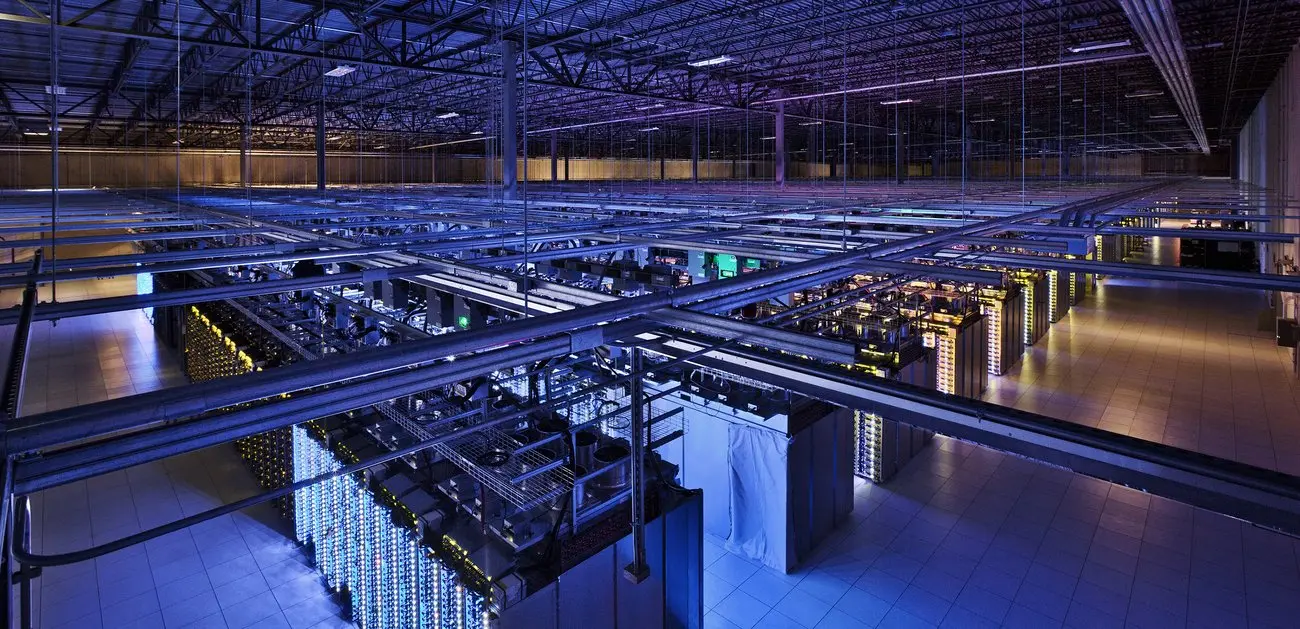
Everyone's talking about AI chips, models, and applications. Meanwhile, a startup that makes cooling systems for those chips just hit a $1.64 billion valuation, and barely anyone noticed. This piece looks at why heat has quietly become one of the biggest bottlenecks in the AI race, what it takes to actually keep a data center full of GPUs running at full speed, and what a cooling company's unicorn status tells us about where the real infrastructure battle is being fought.
Athilla Z.